Printers are basic office infrastructure, but the way organisations use them can change quickly. A company adding employees may suddenly require additional printing capacity. A training programme may create temporary demand for handouts. A project team may need dedicated printing for several months without requiring a permanent device.
In situations like these, printer hire can provide a flexible alternative to purchasing additional equipment.
For organisations across Bangalore, Karnataka, understanding when hiring makes sense can prevent both overinvestment and inadequate printing capacity.
Temporary Demand Does Not Always Require Permanent Equipment
Purchasing a printer is reasonable when the device will have a stable, long-term role. However, many business requirements are temporary.
Printer hiring can be useful for:
- Project offices
- Temporary corporate teams
- Training programmes
- Educational activities
- Events and conferences
- Seasonal administrative workloads
- Branch office expansion
- Short-term documentation projects
The organisation gets access to the equipment it needs without necessarily adding another permanent asset to its inventory.
Print Volume Should Guide the Decision
A small team printing a few documents each day has very different requirements from a department producing hundreds of pages.
Before choosing equipment, estimate the average monthly print volume. Also consider whether printing tends to happen steadily throughout the month or in concentrated periods.
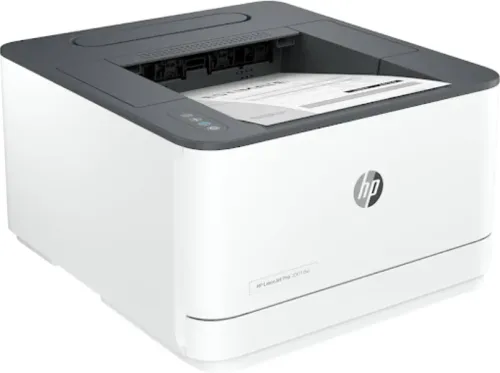
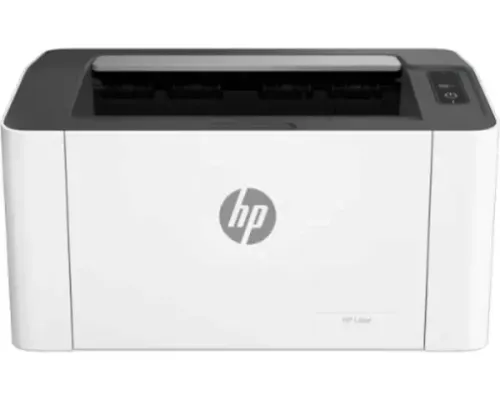
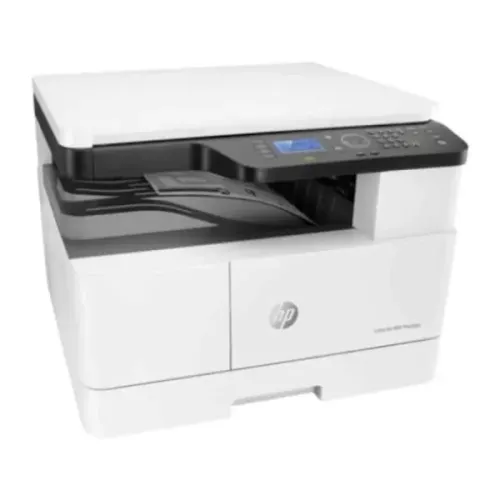
A high-volume department may need a business-grade laser printer with greater paper capacity and faster output. A smaller team may prioritise compact dimensions, wireless connectivity, and straightforward operation.
Choosing solely on purchase-style specifications can result in paying for capabilities that employees rarely use.
Consider the Cost Beyond the Machine
Printer expenses extend beyond hardware.
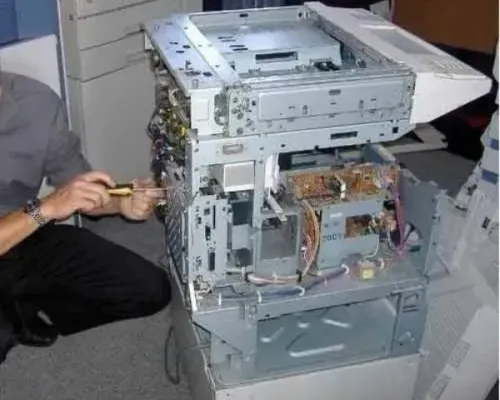
Consumables, maintenance, replacement components, downtime, technical troubleshooting, and device replacement all contribute to the actual cost of maintaining a printing environment.
When evaluating printer hire, businesses should understand the complete commercial arrangement. Depending on the provider and agreement, servicing and maintenance may be included or handled separately.
This distinction matters when comparing hiring with purchasing.
Connectivity Matters in Shared Offices
Modern printers frequently serve multiple employees rather than one workstation. That makes network compatibility important.
Businesses should assess whether the equipment needs Ethernet, Wi-Fi, secure printing, mobile printing, duplex printing, scanning, or compatibility with existing operating systems.
IT teams should also consider where the device will be installed and who requires access. A conveniently located printer with suitable connectivity can reduce unnecessary movement and prevent employees from relying on individual desktop devices.
Planning for Business Growth
Bangalore has a large concentration of IT companies, corporate offices, healthcare organisations, educational institutions, professional services firms, and expanding enterprises. These workplaces can experience frequent changes in headcount and departmental requirements.
Hiring allows equipment capacity to be aligned more closely with these changes.
For example, an expanding department may initially hire a printer while its long-term document requirements are being established. Once usage becomes predictable, management can reassess whether continued hiring or equipment ownership offers greater value.
Match the Printer to the Work
The most important question is not whether hiring is universally better than purchasing. It is whether the arrangement fits the organisation's operational period, print volume, budget structure, and support requirements.
Icon Copier Care supports businesses considering printer hire in Bangalore by helping them evaluate office printing requirements and suitable equipment configurations. A clear understanding of expected volume, connectivity, paper handling, and service needs makes it easier to choose a printer that supports everyday work without unnecessary capacity.
Keywords