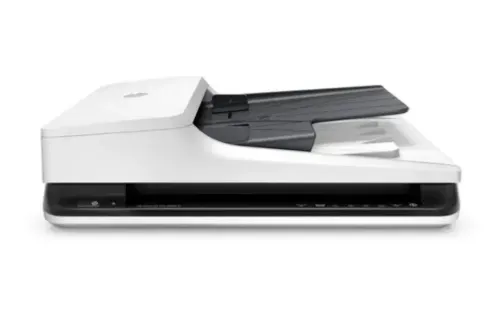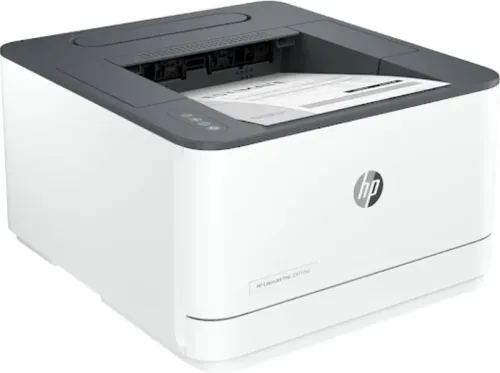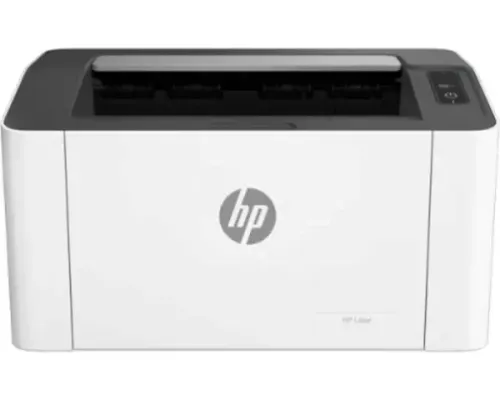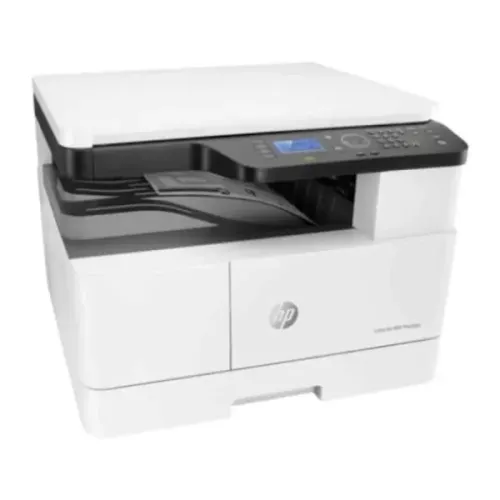
Photocopier problems often begin with small warning signs. A machine may start producing faint copies, feeding multiple sheets, making unusual noises or displaying recurring error messages.
Ignoring these symptoms can lead to more serious interruptions, especially in workplaces where several departments depend on one machine.
Understanding Photocopier Maintenance Services helps organisations recognise common equipment problems and develop better maintenance practices.
Why Photocopiers Require Regular Maintenance
Photocopiers contain mechanical, electrical and imaging components that operate repeatedly during document processing.
Paper rollers, toner systems, imaging units and other components experience wear over time.
Dust, unsuitable paper, environmental conditions and heavy usage may also affect performance.
Maintenance generally involves inspecting equipment, identifying developing faults and performing appropriate servicing.
The exact procedures depend on the machine's design and manufacturer recommendations.
Common Photocopier Problems
Frequent Paper Jams
Paper jams can occur because of worn feed rollers, unsuitable paper, overloaded trays or damaged sheets.
Humidity may also affect paper handling.
Employees should follow the manufacturer's instructions when removing jammed paper rather than pulling forcefully on internal components.
Repeated jams require technical investigation.
Faded Copies
Faint or uneven copies may result from low toner, imaging component problems, incorrect settings or other equipment faults.
Changing toner may solve some problems, but persistent image-quality issues require further diagnosis.
Lines Appearing on Copies
Unwanted lines may originate from dirty scanning glass, contaminated document feeder components or imaging-system defects.
A useful initial check is determining whether the problem appears during copying, printing or both.
This can help identify which part of the machine requires attention.
Slow Performance
Slow copying may result from processing complex documents, network delays, inappropriate settings or equipment limitations.
Businesses should distinguish normal processing time from a genuine performance problem before requesting repairs.
Preventive Maintenance and Corrective Repairs
Preventive maintenance involves scheduled inspections and servicing intended to reduce the likelihood of equipment problems.
Corrective maintenance addresses faults that have already occurred.
Both are important.
A preventive maintenance programme may include checking paper-feed mechanisms, cleaning approved components, examining image quality and reviewing equipment condition.
Corrective repairs may involve replacing defective parts or resolving mechanical and electronic faults.
The scope should follow manufacturer guidance and the applicable service agreement.
Everyday Practices That Protect Equipment
Employees can help reduce avoidable photocopier problems through simple workplace practices.
These include:
- Using recommended paper specifications
- Keeping paper dry and properly stored
- Avoiding overloaded paper trays
- Removing staples before using document feeders
- Keeping ventilation openings unobstructed
- Reporting unusual sounds promptly
- Following approved cleaning instructions
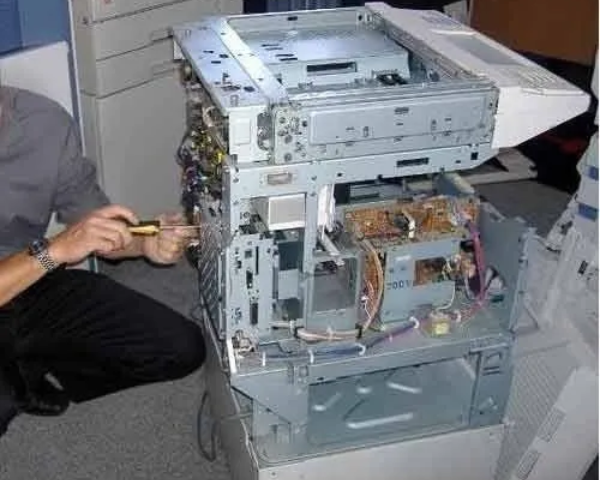
Employees should not attempt internal electrical repairs or dismantle components that require trained servicing.
Why Maintenance Records Matter
A maintenance log can help organisations identify recurring equipment problems.
Useful information includes the date of each issue, error messages, service actions, replaced parts and machine meter readings.
If the same fault repeatedly returns, maintenance records can support a more accurate investigation.
For businesses operating multiple photocopiers, these records can also help determine whether equipment should be repaired, reassigned or replaced.
Maintenance Needs Across Different Workplaces
Corporate offices in Bangalore may depend on photocopiers for daily administrative work.
Educational institutions across Karnataka can experience particularly high usage during admission and examination periods.
Hospitals, legal offices and government departments may require dependable document processing during regular operations.
The appropriate maintenance frequency depends on equipment age, workload, operating environment and manufacturer recommendations.
Frequently Asked Questions
How Often Should Photocopier Maintenance Services Be Scheduled?
Maintenance frequency depends on usage and the machine's service recommendations. High-volume equipment may require more frequent attention than lightly used devices.
Can Preventive Maintenance Eliminate All Breakdowns?
No. Preventive servicing can reduce certain risks, but unexpected mechanical and electronic failures may still occur.
Should Employees Clean Photocopier Components?
Employees may perform basic cleaning permitted by the manufacturer. Internal servicing should be handled by appropriately trained personnel.
Developing Better Equipment Care Practices
Photocopier reliability depends on suitable equipment, responsible daily use and timely maintenance.
Organisations should monitor recurring problems instead of treating every breakdown as an isolated incident.
By maintaining service records and responding early to performance changes, businesses can make more informed decisions about equipment upkeep and replacement.
Keywords