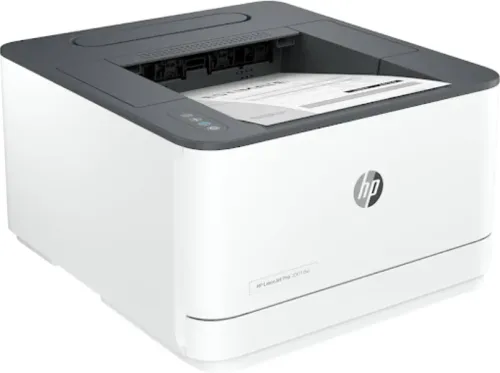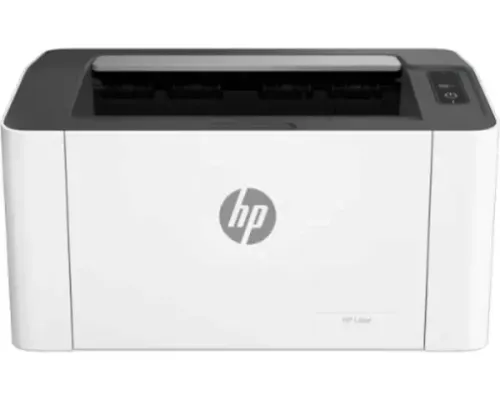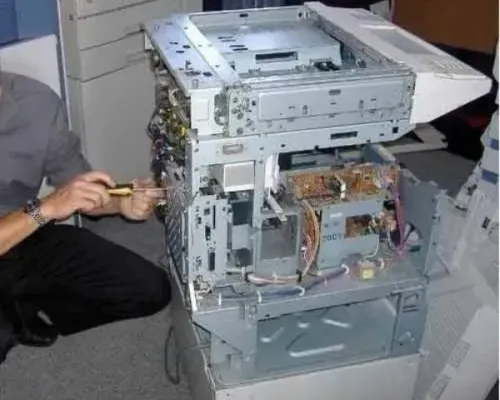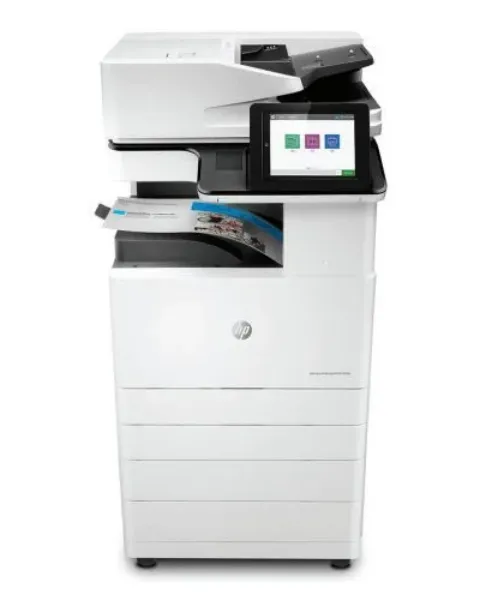
Modern offices still depend heavily on printed and copied documents, even as digital workflows become more common. Contracts, invoices, reports, training material, application forms, patient records, internal documents, and administrative paperwork often need physical copies. For organisations with substantial printing requirements, purchasing a copier is not always the most practical starting point. Choosing a photocopier on rent can provide access to suitable equipment while keeping ownership responsibilities more manageable.
This approach is increasingly relevant for corporate offices, educational institutions, healthcare facilities, banks, government organisations, and growing businesses in Bangalore, Karnataka.
Why Copier Rental Fits Changing Workloads
Document volumes rarely remain constant throughout the year. An educational institution may experience increased copying during examinations and admissions. A corporate office may need additional capacity during audits, recruitment drives, training programmes, or major projects.
Rental arrangements can make it easier to match equipment capacity with actual requirements rather than investing in a machine that may later become underused.
Businesses can assess factors such as:
- Expected monthly copy volume
- Black-and-white and colour requirements
- Paper sizes commonly used
- Duplex printing needs
- Scanning requirements
- Number of employees sharing the machine
- Required print and copy speed
- Network connectivity
These factors help determine the type and capacity of copier that suits the workplace.
Understanding Total Equipment Requirements
A copier should not be selected only according to its advertised pages-per-minute speed. Duty cycle, paper capacity, automatic document feeding, duplex functionality, scanning capabilities, and network compatibility can have a greater impact on everyday productivity.
For example, an office processing multi-page contracts may benefit significantly from an automatic document feeder. A department handling confidential documents may require user authentication and controlled printing. Organisations digitising paperwork may need a multifunction device capable of scanning directly into established workflows.
The right equipment is therefore the machine that fits the actual document process, not simply the fastest model available.
Rental Can Simplify Equipment Planning
Buying office equipment creates an upfront capital requirement and places responsibility for maintenance, consumables, upgrades, and eventual replacement on the organisation.
Rental changes the planning model. Depending on the agreement, businesses may gain access to equipment along with defined maintenance and technical support provisions. This can make printing expenses easier to understand and help administrative teams avoid unexpected disruptions.
However, rental agreements vary. Organisations should always understand what is included before selecting a plan.
Questions Worth Asking Before Renting
Before finalising a copier, clarify the expected monthly volume and identify any unusually demanding workflows.
Ask whether the machine supports the required network environment, operating systems, document sizes, finishing requirements, and scanning destinations. It is equally important to understand how service requests are handled and whether usage limits apply.
In Bangalore, businesses may also want to consider service accessibility because a machine that cannot be restored quickly after a technical issue can affect several departments at once.
Better Document Management Starts With the Right Capacity
A rental copier can be useful when an organisation wants operational flexibility without immediately committing capital to equipment ownership. The strongest results come from matching the device to actual document volume, workflow requirements, connectivity, and support expectations.
For offices evaluating a photocopier on rent, Icon Copier Care provides copier rental and office automation support for organisations across Bangalore. Understanding current usage patterns before choosing equipment can help businesses establish a more practical, scalable document workflow.
Keywords