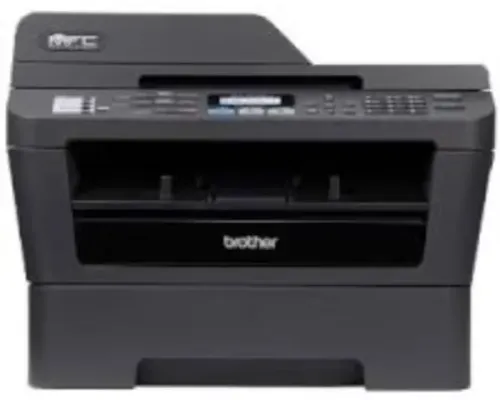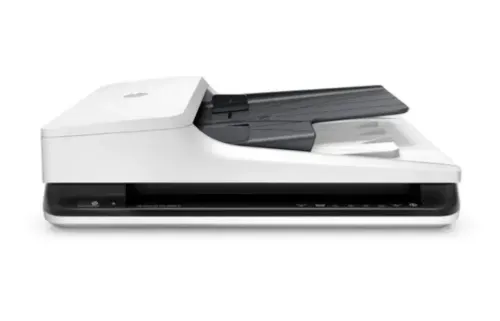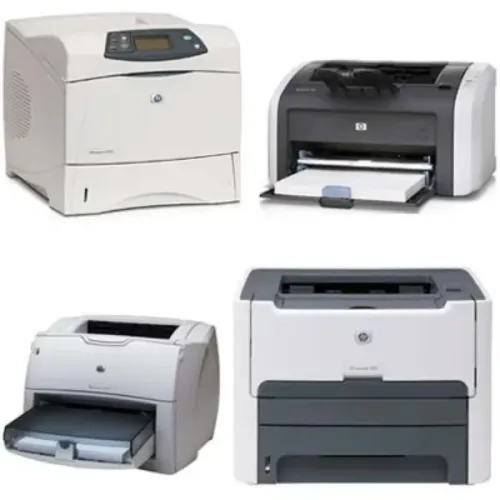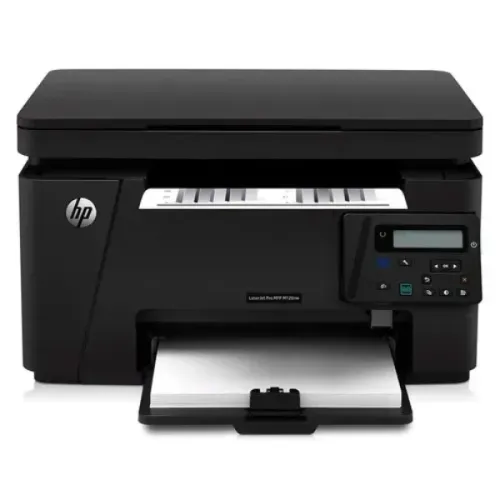
Buying office equipment can appear straightforward until the complete cost of ownership is considered. Beyond the initial purchase price, businesses need to account for servicing, parts, consumables, changing workloads, equipment ageing, and the possibility that today's printer may not suit tomorrow's requirements.
For organisations evaluating a printer on rent, the decision should be based on workload, duration, cash-flow preferences, support requirements, and expected changes in printing demand.
Start With the Expected Usage Period
Duration is one of the clearest decision factors.
If a printer is needed for a temporary office, project team, training programme, event, seasonal workload, or short-term expansion, purchasing equipment may create an asset that becomes unnecessary later.
Rental can be more practical when the requirement has a defined period.
Long-term requirements require a more detailed calculation. Businesses should compare expected rental expenditure with the total cost of purchasing and maintaining suitable equipment throughout its useful life.
Compare Total Costs Rather Than Initial Prices
A purchase price represents only one part of printer ownership.
Potential costs include:
- Toner and other consumables
- Routine maintenance
- Replacement components
- Technical support
- Downtime
- Internal IT involvement
- Equipment replacement
- Disposal of outdated hardware
Rental agreements may bundle some of these responsibilities, although inclusions vary between providers.
The correct comparison is therefore total expected expenditure over the intended period, not simply monthly rental against purchase price.
Consider How Predictable Your Printing Demand Is
A stable organisation with consistent print volume can plan equipment requirements relatively easily.
Growing businesses face a different challenge. A printer purchased for 20 employees may become inadequate when the department expands to 60. Conversely, purchasing a high-capacity machine too early means paying for performance that is not yet required.
Using a printer on rent can provide greater flexibility while the organisation's printing pattern develops.
This can be particularly relevant for Bangalore's IT companies, corporate offices, educational institutions, healthcare facilities, financial organisations, and project-based businesses.
Service Response Influences Real Value
Printer downtime has an operational cost.
If employees cannot print essential invoices, reports, labels, forms, contracts, or customer documents, even a relatively inexpensive printer can become costly from a productivity perspective.
When comparing rental options, organisations should examine how maintenance requests are handled. Ask what is included in the agreement, how faults are reported, whether preventive maintenance is available, and what happens when a machine requires significant repair.
Clear service terms can be more valuable than a slightly lower monthly rate.
Check Equipment Specifications Carefully
Rental should not mean accepting whichever machine is available.
Determine whether the workplace requires:
- Monochrome or colour printing
- Automatic duplex printing
- Network connectivity
- Wireless capability
- High paper capacity
- ADF scanning
- Secure print functions
- A3 or A4 support
- Multifunction capabilities
Matching specifications to actual workflows prevents both underperformance and unnecessary expense.
Make the Decision Around Operational Fit
There is no universal rule that rental is always more economical than ownership. The answer depends on the organisation's circumstances.
Businesses with temporary, variable, project-based, or evolving requirements may find rental particularly practical. Organisations with stable long-term requirements should compare the complete economics of both models.
Icon Copier Care provides printer rental and office automation services for organisations across Bangalore, Karnataka. Before selecting a printer on rent, reviewing usage volume, duration, technical requirements, and service expectations can help create a solution that supports productivity without adding unnecessary equipment commitments.
Keywords