Printing requirements rarely remain constant throughout the year. A company may need additional printing capacity during audits, a training institute may experience higher demand during examinations, and a corporate office may require temporary equipment for a new project. Purchasing printers for every increase in workload can create unnecessary expenses and long-term maintenance responsibilities.
Choosing a printer on hire provides an alternative for organisations that need reliable document printing without immediately investing in additional equipment.
For businesses in Bangalore, Karnataka, understanding how printer hiring works can help them plan equipment requirements according to actual operational needs.
Understanding How Printer Hiring Works
Printer hiring allows an organisation to use printing equipment for an agreed period under specified commercial terms.
The arrangement may include equipment installation, maintenance support, consumables and usage allowances, depending on the service agreement.
Unlike purchasing, where the organisation owns the equipment, hiring generally involves paying for access to a printer during the rental period.
Common hiring arrangements include:
- Short-term hiring for temporary projects
- Monthly hiring for routine office operations
- Extended hiring for growing organisations
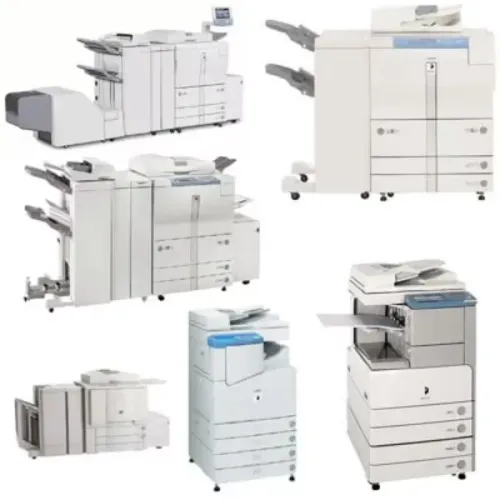
- High-volume printer hiring for departments handling substantial paperwork
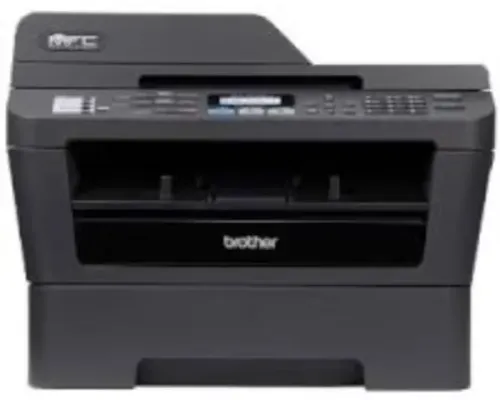
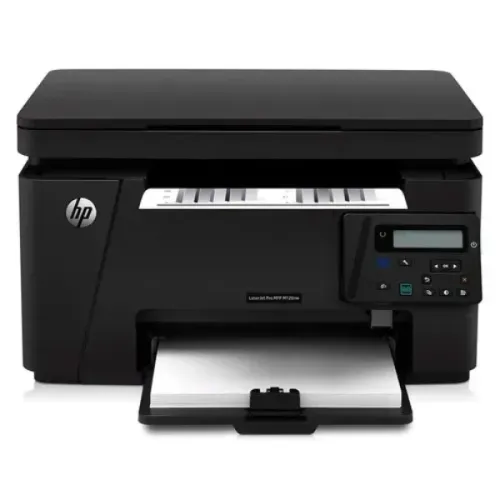
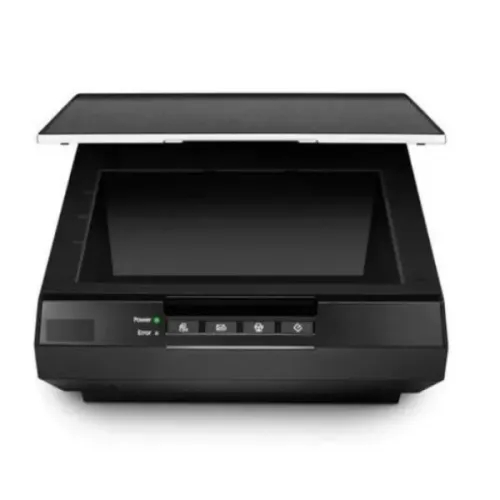
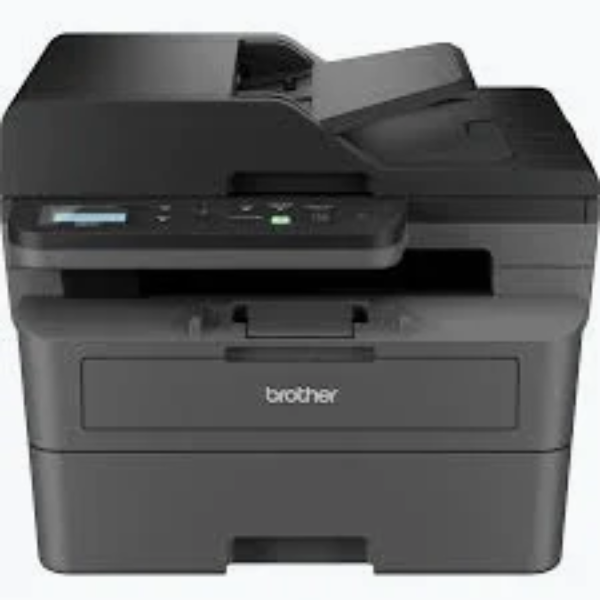
- Multifunction printer hiring for combined printing, copying and scanning requirements
The appropriate arrangement depends on expected print volume, document types and duration of use.
When Does Printer Hiring Make Practical Sense?
Not every business needs to purchase a printer.
For example, an IT company setting up a temporary project office may require several printers for six months. Purchasing new equipment could create additional responsibilities when the project concludes.
Similarly, educational institutions may need increased printing capacity during admission periods and examinations.
Printer hiring can be useful when:
- Printing requirements are temporary.
- The organisation wants to limit initial equipment expenditure.
- Existing printers cannot handle increased workloads.
- Equipment requirements may change during a project.
- Maintenance responsibilities need to be managed through an external provider.
However, organisations with predictable long-term requirements should compare rental expenditure against the total cost of ownership before deciding.
Important Printer Specifications to Understand
Printer selection should begin with actual printing requirements rather than equipment appearance.
Print speed
Print speed is generally measured in pages per minute. Offices printing large document batches may benefit from faster machines.
Monthly printing capacity
The recommended monthly print volume indicates the workload a printer is designed to handle regularly.
Connectivity
Depending on workplace requirements, printers may need USB, Ethernet, wireless connectivity or secure network printing capabilities.
Duplex printing
Automatic double-sided printing can reduce paper consumption when employees regularly produce lengthy documents.
Paper handling
Input tray capacity, supported paper sizes and document finishing requirements can affect daily productivity.
A suitable printer should comfortably manage the organisation's expected workload without requiring constant employee intervention.
How Printer Hiring Supports Different Industries
Bangalore has a diverse commercial environment, including technology companies, educational institutions, healthcare organisations and professional service providers.
Each sector has different document requirements.
Corporate offices frequently print contracts, presentations and administrative records.
Training centres may require bulk printing of course materials and assessments.
Healthcare organisations often need dependable printing for administrative documentation, subject to appropriate confidentiality procedures.
Government-related offices may require equipment capable of handling substantial documentation volumes while meeting applicable procurement requirements.
Hiring arrangements can be adapted to these different operational circumstances.
Questions Businesses Frequently Ask
Is a Printer on Hire Suitable for Small Offices?
Yes. Small offices can hire equipment according to their printing requirements. The decision should consider monthly usage, available space and total rental expenditure.
Does Printer Hiring Include Maintenance?
Some hiring agreements include preventive maintenance and technical assistance. Businesses should confirm service coverage, replacement parts and consumable responsibilities before signing.
Can Businesses Hire Printers for Short Projects?
Short-term arrangements may be available, depending on the provider and equipment. Minimum rental periods and installation charges should be clarified beforehand.
Making an Informed Equipment Decision
Printer hiring is most useful when the equipment matches the organisation's workload and the commercial agreement clearly defines responsibilities.
Before proceeding, businesses should estimate printing volumes, identify essential features and compare the complete hiring cost with other equipment options.
A carefully selected arrangement can help organisations maintain document workflows while avoiding unnecessary investment in equipment that may not be required permanently.
Keywords